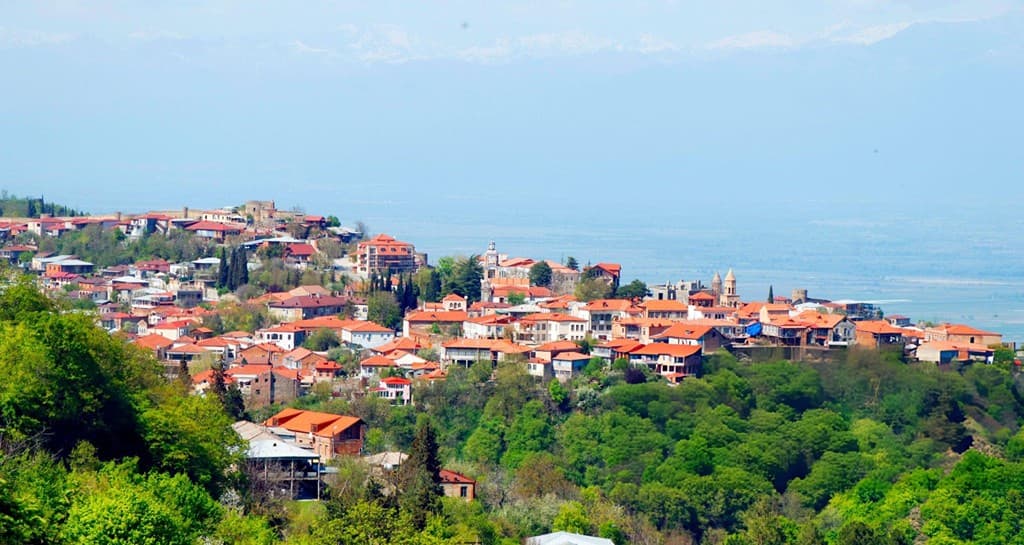
The landscape of the South Caucasus is a geographical masterpiece shaped by the collision of ancient tectonic plates and the ambition of rival empires. For millennia, this narrow strip of land served as a vital section of the Silk Road, drawing merchants, explorers, and armies who all left their indelible marks upon the local landscape. Travelers venturing here today are often struck by how effortlessly the country balances its profound, heavy history with a vibrant, forward-looking modernity.
To travel through this country is to move through distinct historical eras within the span of a single afternoon. You can easily find yourself admiring sleek, futuristic glass architecture before plunging into an underground cave city carved entirely by hand out of solid volcanic rock. Navigating this vast array of cultural landmarks requires an itinerary that respects both the famous monuments and the hidden, quiet corners of the countryside. To truly appreciate the historical depth of this region, exploring the most significant Georgia tourist attractions provides an invaluable window into the resilient spirit of the Caucasian people.
The Subterranean Wonders of the Volcanic Valley
The Monastic Majesty of Vardzia
Deep in the southwestern badlands, a sheer cliff face rises above the roaring waters of the Mtkvari River, concealing one of the most astonishing architectural achievements of the medieval world. Vardzia is a spectacular cave monastery carved into the side of the Erusheti Mountain during the twelfth century under the reign of the legendary King Tamar. Originally built as a secret fortress city to hide the local population from invading armies, it eventually expanded into a massive thirteen-tier complex housing thousands of monks.
Exploring the Hidden Rock Chambers
Wandering through the steep paths of this rock-cut sanctuary reveals a complex network of interconnected tunnels, residential quarters, bakeries, and wine cellars. At the very center of the hidden complex lies the Church of the Dormition, where remarkable wall paintings depict the medieval monarchs who commissioned this monumental undertaking. Standing within these cool, dark stone chambers and looking out across the vast canyon offers a humbling glimpse into the sheer determination of the builders who chiseled an entire community out of a mountain wall.
The Sentinels of the Black Sea Coast
The Ancient Roman Walls of Gonio
Traveling west toward the humid subtropical coastline brings you to a landscape defined by citrus groves, palm trees, and the glittering expanses of the Black Sea. Near the modern border with Turkey sits the Gonio-Apsaros Fortress, an exceptionally well-preserved Roman fortification that dates back to the first century. This historic site was once a bustling military and economic hub for the Roman Empire, featuring advanced bathhouses, complex water supply systems, and a theater that entertained legionnaires stationed on the empire's furthest frontier.
The Modern Coastal Energy of Batumi
Just a short journey north from the ancient Roman ruins lies the city of Batumi, a sparkling maritime capital that showcases the country’s dramatic architectural modernization. The city skyline is a playful mix of daring skyscrapers, rotating towers, and grand European-style squares that come alive with light and music every evening. Walking along the famous seaside boulevard reveals a town that embraces the future with open arms, offering a fascinating contrast to the quiet, stone-built villages of the mountainous interior.
The Guardians of the Northern Passes
The Architectural Fortifications of Ananuri
Heading north along the historic route toward the mountain ranges, the defensive castle complex of Ananuri commands a strategic position overlooking the turquoise waters of the Aragvi River. Built by the powerful feudal dukes who ruled the valley from the thirteenth to the eighteenth centuries, this fortress was the scene of numerous fierce battles throughout its history. The thick stone ramparts, cylindrical watchtowers, and beautifully carved stone churches inside the complex create a striking silhouette against the forested hillsides.
The Intertwining of Nature and Defense
What makes these historical sites so compelling is how perfectly they integrate with the surrounding natural topography to form impenetrable natural barriers. The builders utilized natural cliff edges, river bends, and mountain peaks to maximize their strategic advantages, turning the entire landscape into an interconnected network of defensive strongholds. Visitors who explore these complexes can easily visualize the historical lookouts who scanned the horizons for centuries, guarding the narrow gateways that connected the northern steppes with the wealth of the Mediterranean world.